Bed bugs are real, they are found throughout New Zealand, and having them says nothing about how clean your home is. They travel in luggage and furniture, not dirt. What matters is confirming them properly before spending money, because several harmless insects look similar, and several other causes produce similar bites.
This guide shows what bed bugs look like at every life stage, the signs that confirm them, and a step-by-step check of your bed, bedroom and luggage. If you have already found them, professional bed bug control is the fastest route to a fix, and the rest of this page will help you describe what you have found.
What do bed bugs look like?
Adult bed bugs are flat, oval, reddish-brown insects about 4–7 mm long, roughly the size of an apple seed. They have six legs and short antennae, and no wings. After feeding they swell, lengthen and turn a darker, redder colour. Young bed bugs look like smaller, paler adults, and the eggs are white and about 1 mm long, glued into seams and cracks.
The species in New Zealand homes is the common bed bug, Cimex lectularius. Bed bugs are true bugs, in the order Hemiptera along with aphids and cicadas, and they feed only on blood. A tropical relative, Cimex hemipterus, is common in warmer countries. It looks almost identical and is dealt with in the same way.
| Life stage | Size | What it looks like | Worth knowing |
|---|---|---|---|
| Egg | About 1 mm | Pearly white, glued into seams, cracks and screw holes, often in small groups | Hatches in about a week at room temperature |
| Nymph | From pinhead-sized, growing with each moult | Pale and straw-coloured to translucent; bright red just after feeding | Five stages, each needing a blood meal before it moults and leaves a shed skin |
| Adult | About 4–7 mm | Flat, oval, reddish-brown and wingless; darker and swollen after feeding | Typically feeds once or twice a week, and can survive months without feeding |
A useful test if you have caught one: an unfed bed bug is flat enough to slide into a crack the thickness of a credit card. A beetle, by contrast, is rounded and hard-shelled. If you are still unsure, seal it in a bag or on clear tape and keep it. Manaaki Whenua Landcare Research has identification resources, and any pest technician can confirm it in seconds.
Bugs commonly mistaken for bed bugs
Several common household insects get mistaken for bed bugs, and a correct identification can save you an unnecessary treatment. The usual candidates are carpet beetle larvae, booklice, cockroach nymphs, fleas and, occasionally, bat bugs or bird bugs. Bed bugs are flat, oval, reddish-brown and slow to startle, cannot jump or fly, and are found close to where people sleep.
- Carpet beetle larvae. Small, elongated and covered in bristly hairs, usually found in wardrobes, along skirtings and under rugs. Bed bugs are smooth and oval. Carpet beetle larvae do not bite, although their hairs can irritate some people's skin.
- Booklice. Tiny, pale and soft-bodied, found around damp paper, books and stored food. They are harmless and a sign of humidity, not of anything that bites.
- Cockroach nymphs. Young cockroaches are faster, have much longer antennae, and head for kitchens and bathrooms rather than beds. If that is what you have, see how to identify Auckland cockroaches.
- Fleas. Smaller, darker, flattened side to side, and they jump. Bed bugs cannot jump.
- Bat bugs and bird bugs. Close relatives of the bed bug that feed on bats or birds, and very hard to tell apart without a microscope. They occasionally turn up when birds nest in a roof or wall, and may bite people once the birds leave. Rare, but worth mentioning if there has been a nest in the eaves.
Are bed bugs common in New Zealand?
Yes. Bed bugs are found throughout New Zealand, and Health NZ advises checking your room whenever you travel, within the country or overseas. They turn up most often where people and luggage come and go quickly: hotels, hostels, motels, rentals, student accommodation and apartment buildings. There is no reliable national count, so be wary of anyone quoting infestation statistics for New Zealand.
In Auckland the pattern follows travel and turnover. Calls come most often from city-centre apartments and hostels, from student flats and rentals changing tenants, and from homes where someone has recently travelled or bought second-hand furniture. International travel and second-hand furniture are the two main routes in, and neither has anything to do with how a home is kept.
The signs of bed bugs (beyond bites)
Bites alone do not confirm bed bugs. Physical evidence does. The three most reliable signs are small dark spots on the mattress or bed frame, pale shed skins, and live bugs in the seams. Eggs, rust-coloured blood smears on the sheets and, in heavy infestations, a musty smell complete the picture. Find any of the first three and you almost certainly have bed bugs.
- Dark spots on the mattress, sheets or frame. Bed bug droppings are digested blood: small black or dark brown dots, like the mark of a felt-tip pen, often clustered along seams. Wipe one with a damp cloth and it smears like ink.
- Shed skins. Pale, empty, bug-shaped casings left behind as nymphs moult. Common in seams, corners and joints.
- Live bugs. Flat, reddish-brown and apple-seed sized, usually tucked into mattress seams, bed frame joints or behind the headboard.
- Eggs. Tiny, pearly white, about 1 mm long and glued into crevices. Easier to see with a torch and a magnifying glass.
- Blood smears on sheets or pillowcases. Rust-coloured marks where a recently fed bug was crushed as you moved in your sleep.
- A sweet, musty smell. Only noticeable with a large population, so don't rely on it.
The first sign most people notice is bites, often before they have seen a single bug. If that is where you are, read what bed bug bites look like alongside this checklist.
How to check your home for bed bugs, step by step
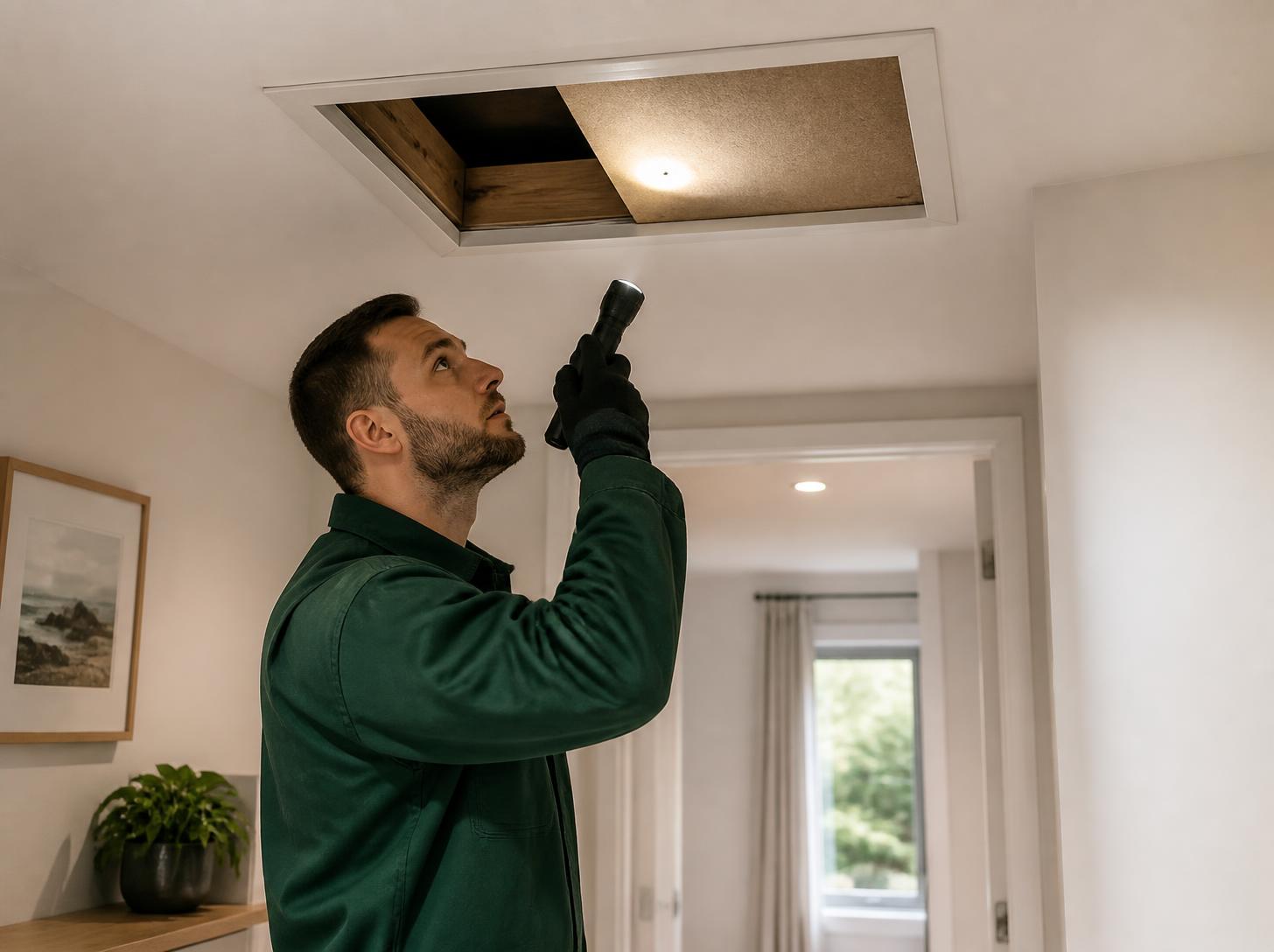
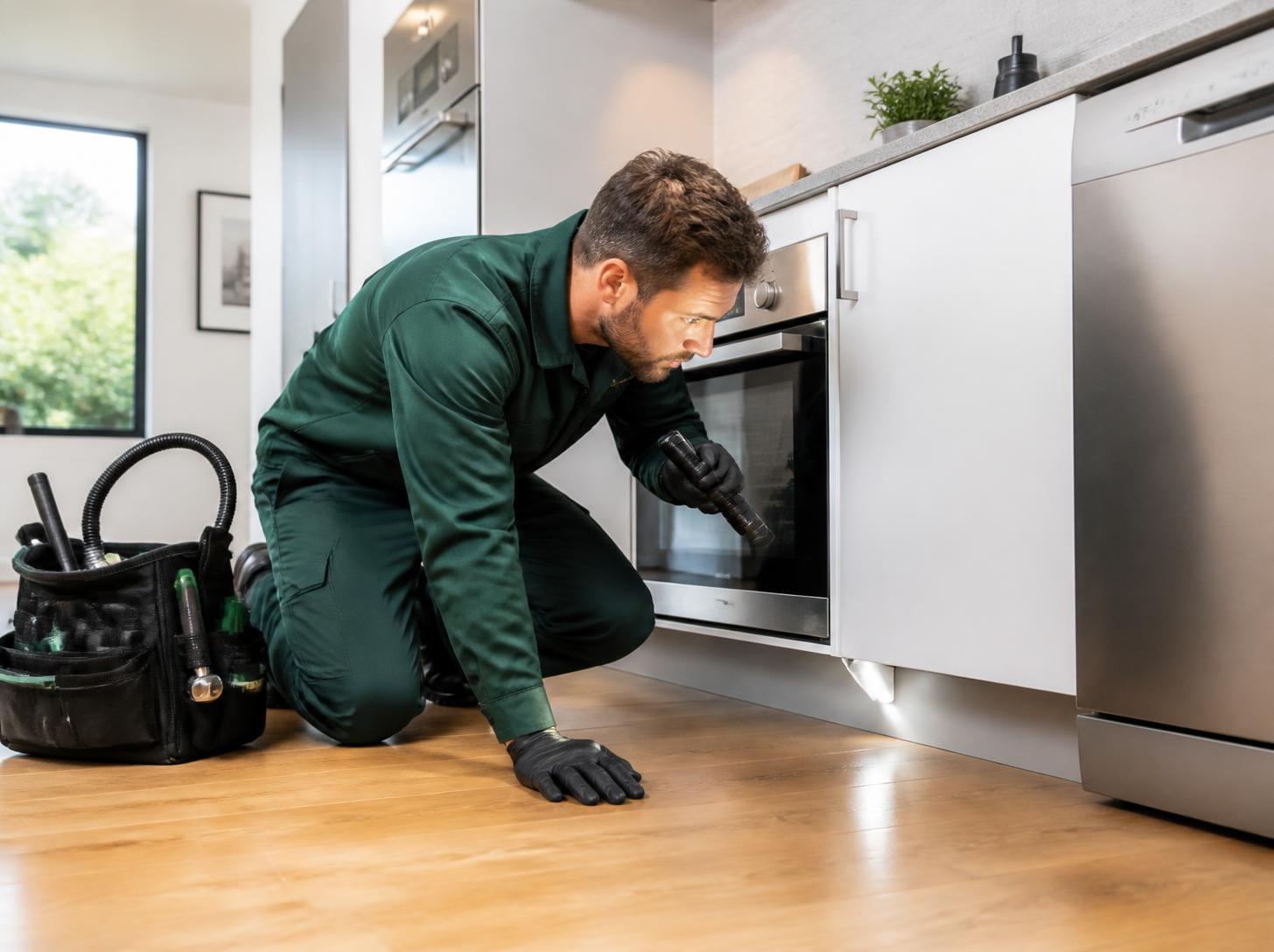
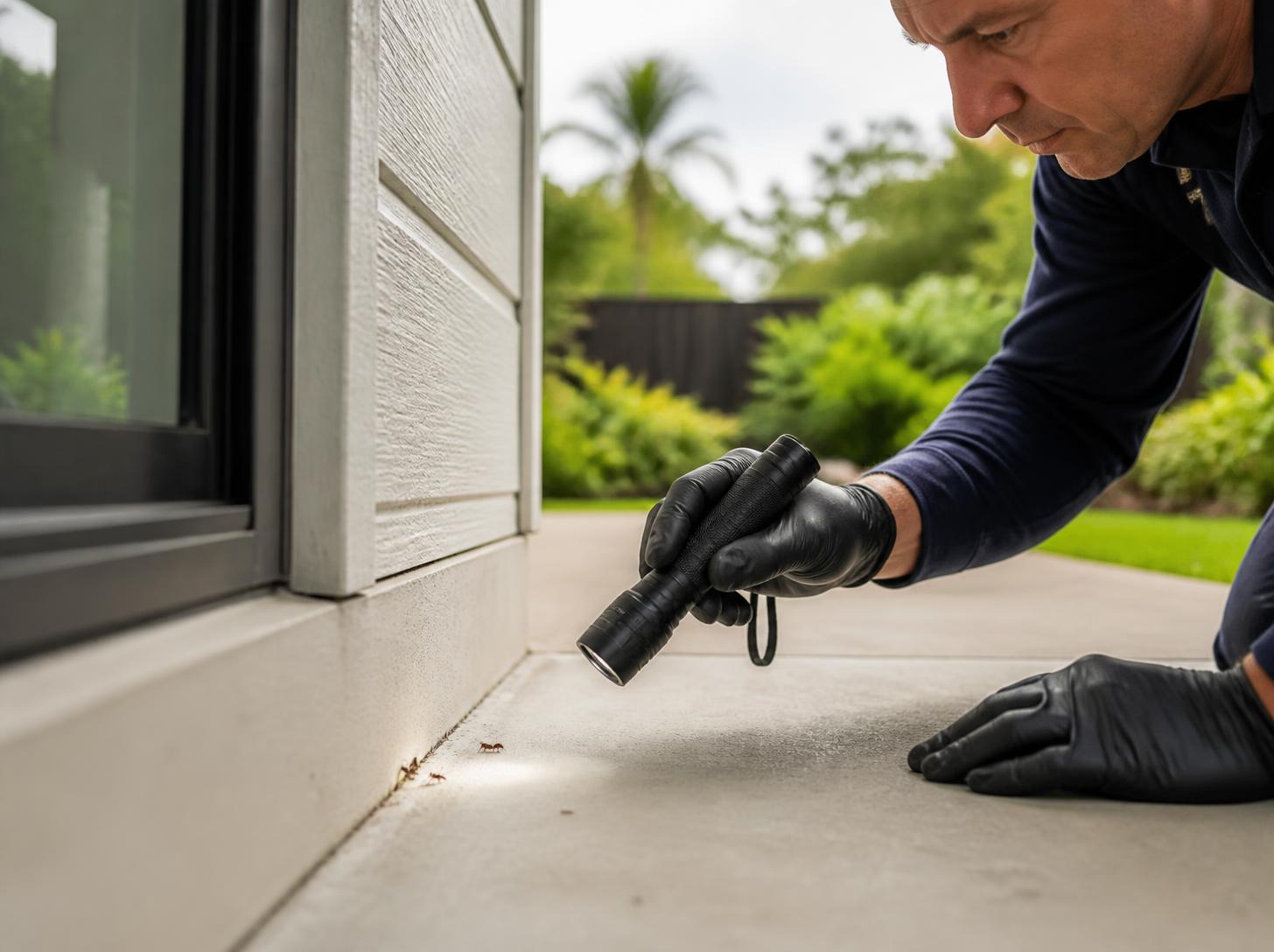
A proper check takes about an hour and needs little more than a torch and a thin card. Work outward from where you sleep, because bed bugs stay within a couple of metres of their host: sheets first, then the mattress, the base and bed frame, the headboard, bedside furniture, and then the rest of the room. Look slowly at seams, joints and cracks rather than flat surfaces.
Gather your tools
A bright torch, an old credit card or thin putty knife to run along seams, a white sheet to work on, sealable plastic bags, and clear tape to pick up anything you find. A magnifying glass helps with eggs.
Strip the bed
Take off the sheets and pillowcases slowly and look at them in good light for dark spots and blood smears. Put them straight into a sealed bag in the bedroom, so you are not carrying anything through the house.
Inspect the mattress
Run the torch and card along every seam, the piping around the edges, tufts and buttons, labels and handles, and the corners. Turn it over and check the underside. This is where most infestations start.
Check the box spring or base and the bed frame
Look along joints, screw holes, slats and corner brackets, and under any fabric covering the base. Wooden frames with lots of joints give bed bugs plenty of places to hide.
Look behind the headboard
If it is fixed to the wall, take it down if you can. The back of a headboard and the wall behind it are among the most common hiding places, and among the most often missed.
Work outward about two metres
Pull bedside drawers right out and check the joints and undersides. Check skirting cracks, carpet edges, curtain hems and picture frames. Look at power points and switch plates from the outside, but don't open them.
Check couches and chairs
Anywhere someone sleeps or rests for long periods: seams, cushions, the underside and the frame. A couch someone has slept on during a bad week often has its own population.
Check luggage and bags
Inspect suitcases, backpacks and the place you keep them, especially after recent travel. Look along the seams, zips and pockets.
Set up monitors
Interceptor cups under each bed leg, or double-sided tape around them, catch bugs travelling to and from the bed. They are a cheap way to test a suspicion when you cannot find anything by looking.
If you find evidence, stop there. Don't start moving furniture into other rooms or sleeping on the couch, because both spread bed bugs to new places. Book a bed bug inspection and we will confirm what you have and map how far it has spread.
How bed bugs get into a house
Bed bugs don't come from dirt. They hitch rides: in luggage, bags, clothing, second-hand furniture and mattresses, and with visitors who have them at home. In apartment buildings they can also move between units through wall voids, gaps around pipes and cables, and under doors. Hotels, hostels, long-haul flights and buses are all places people pick them up.
Once inside, they head for wherever people sleep. They find a host by the carbon dioxide we breathe out and by body heat, which is why they settle within a couple of metres of a bed or couch rather than roaming the house. It is also why an infestation seems to appear suddenly: a few bugs brought home in a suitcase can take several weeks to build to a level anyone notices.
Why do I suddenly have bed bugs? Think back over the last month or two: travel, a hotel or hostel stay, a second-hand bed, couch or bedside table, a guest who had been travelling, or a neighbouring unit with a problem. One of those is almost always the explanation.
Slept somewhere with bed bugs? What to do now
Contain before you unpack. Leave your luggage in the laundry, bathroom or garage rather than the bedroom. Bag your clothes and put them through a hot dryer cycle, then vacuum the suitcase inside and out, paying attention to seams and pockets, and bin the vacuum contents in a sealed bag. Keep bags off the bed and away from where you sleep until you are confident they are clean.
Not everyone who stays in an infested room brings bed bugs home, but it only takes a few. Heat is the tool that reliably kills them in belongings, and our DIY guide covers the heat and dryer methods that actually work. Watch for bites or spots on your sheets over the following few weeks.
How long can bed bugs live without feeding?
Longer than most people expect. In a heated home, adults and older nymphs typically survive about one to four months without a blood meal, and in cool conditions they can last a year or more. That is why an empty room, a stored mattress or a couch in the garage can still be infested when someone uses it again months later.
It also rules out starving them by sleeping somewhere else for a week or two. They will simply wait, and in the meantime some will go looking for you in the room you have moved to.
You've found them. What next?
Don't panic, don't throw out the bed, and don't set off a bug bomb. Each of those tends to make the job bigger: a new mattress gets infested, and foggers can drive bugs deeper into walls and into other rooms. Leave the furniture where it is, keep sleeping in your own bed, and bag and hot-dry the bedding and clothing from the room.
Then read what to do before treatment, which covers what to wash, what to bag and what to leave alone. When you call, describe what you found and where: spots, skins, live bugs, which rooms. Call 09 925 0448 or request an estimate online.
Frequently asked questions
Can you see bed bugs with the naked eye?
Yes. Adults are about 4–7 mm long, the size of an apple seed, and easy to see once you know where to look. Eggs are about 1 mm and visible with a torch, especially against a dark surface. The youngest nymphs are pale, pinhead-sized and hard to spot until they have fed, when they turn noticeably red.
Do bed bugs live in hair or on your body?
No. Bed bugs are not lice. They do not live on people, in hair or on skin. They crawl onto you to feed, which takes a few minutes, then go back to their hiding place in the bed or furniture. That is why washing yourself does nothing to an infestation, and why the bed and the room are what need treating.
Can bed bugs fly or jump?
No. Bed bugs have no wings and cannot jump. They crawl, and they are quicker than people expect, able to cross a floor or climb a bed leg or wall without difficulty. Anything you see jumping from bedding or carpet is much more likely to be a flea, which is one of the quickest ways to tell the two apart.
Can bed bugs live on pillows?
Occasionally. Bed bugs can hide in pillow seams, piping and pillowcases, but they much prefer mattress seams, the base and the bed frame, where they are left undisturbed. Check pillow seams during your inspection, and wash and tumble dry pillowcases on high heat. A pillow on its own is rarely the whole story, so always check the rest of the bed.
Do bed bugs come out in the daytime?
Mostly at night. Bed bugs usually feed while you are asleep and hide during the day. They will come out in daylight if they are hungry, if the population is large and crowded, or if the room is used for sleeping during the day, by a night-shift worker for example. Regularly seeing them by day often means a larger infestation.
Can bed bugs spread between apartments?
Yes. In apartment buildings bed bugs can move between units through wall voids, gaps around pipes and cables, and along corridors. If you find them, tell your building manager or body corporate, because neighbouring units may need checking. In a rental, report it to your landlord in writing. Our guide on who pays in a rental covers responsibilities.