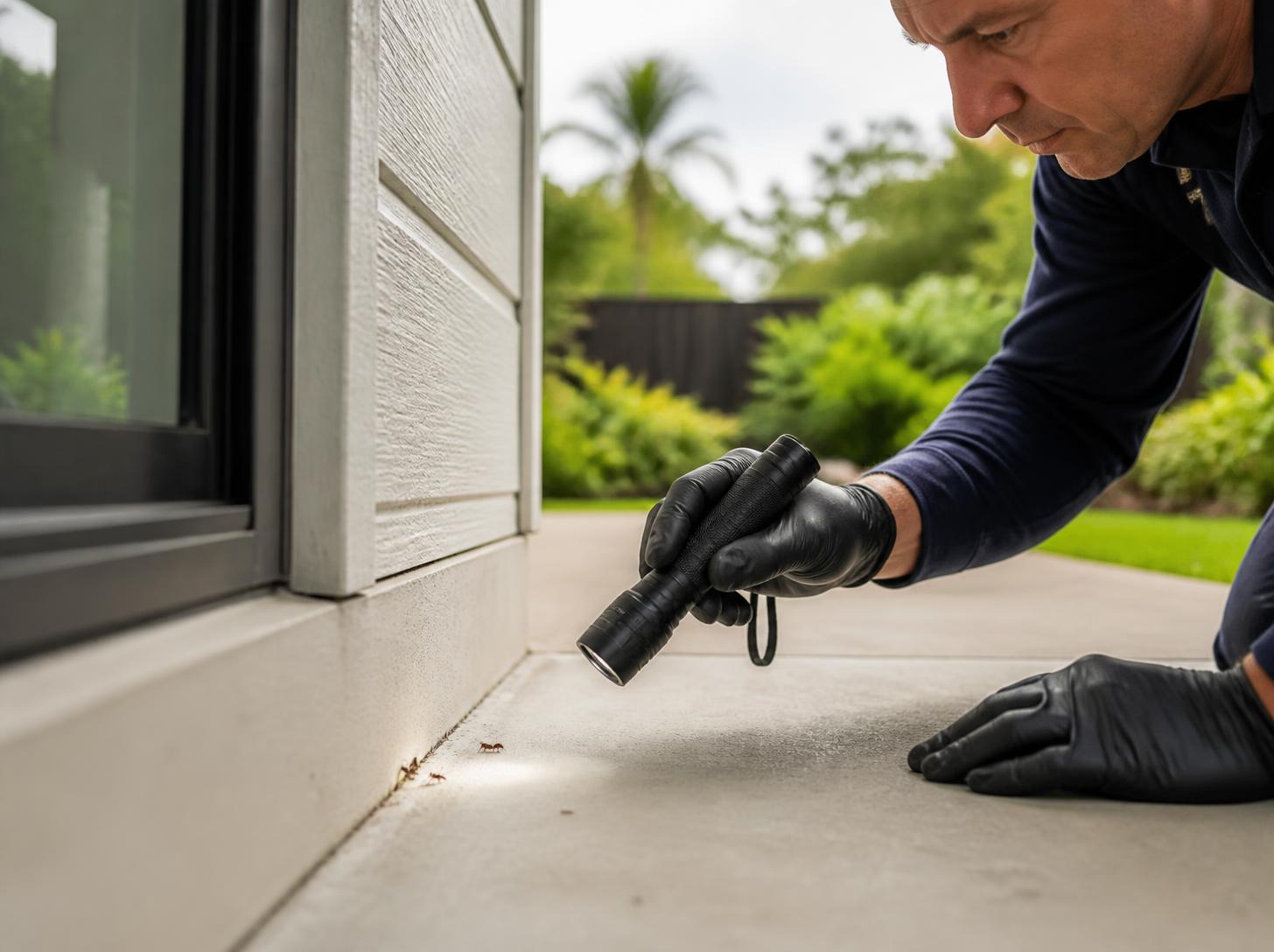
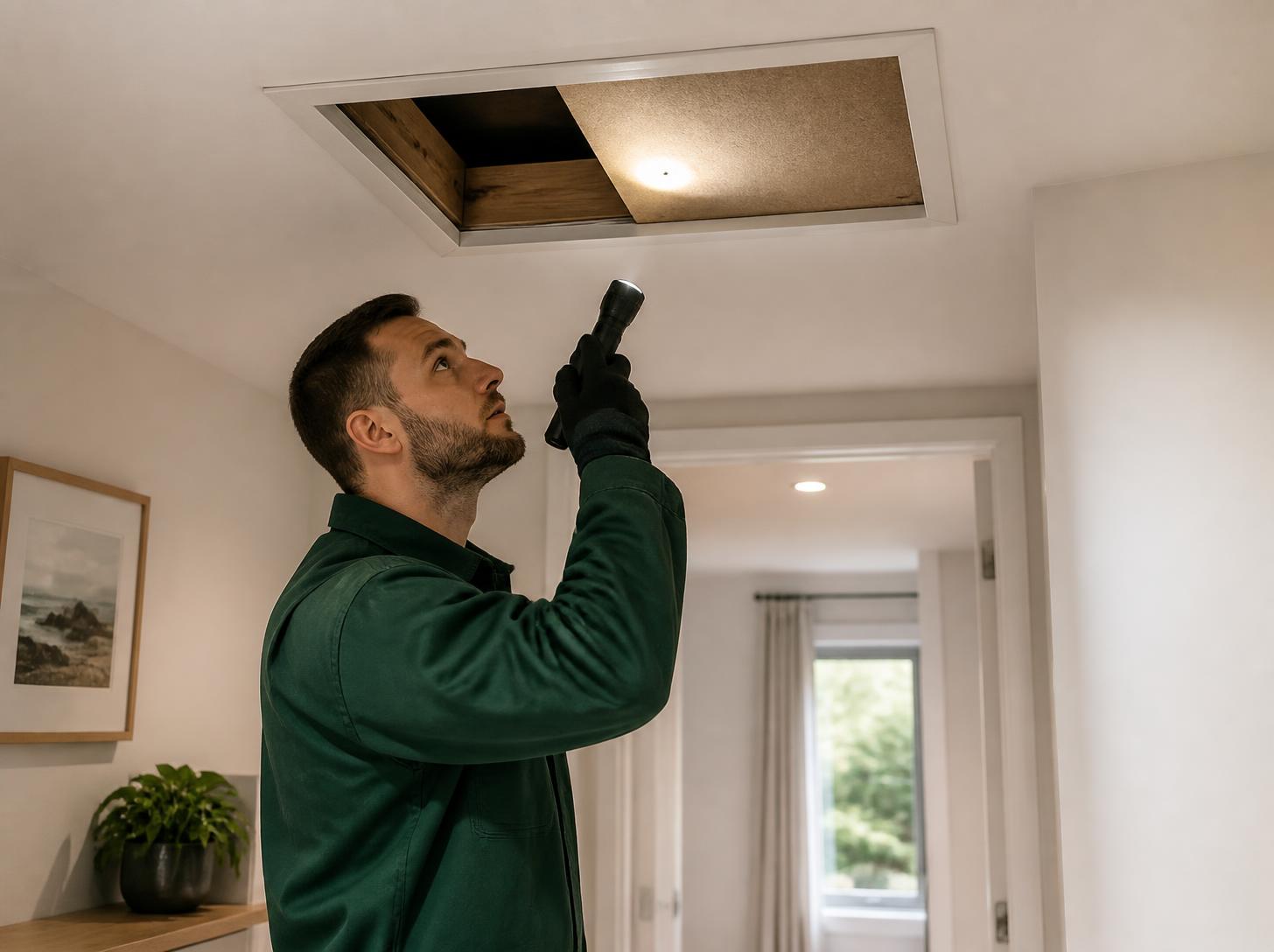
Preparation decides whether one bed bug treatment and its follow-up finish the job, or whether you end up paying for three. Most of it is laundry and tidying, done in the right order and without carrying anything unbagged through the house.
This is the checklist to work through before we arrive, plus what happens on the day, when you can use the room again, and why a few bites afterwards are normal.
The preparation checklist
Wash and dry all bedding and clothing from the affected rooms on high heat, bagging it in the room first. Clear the floor and the space under the bed, bag the contents of bedside drawers, vacuum, and leave the furniture where it is. Give us access to skirtings and wardrobes, tell us about pets and anyone vulnerable, and don't use your own sprays beforehand.
Bedding and clothing
- Strip the beds in affected rooms and bag sheets, pillowcases and duvet covers in sealed plastic bags in the room
- Wash hot and tumble dry on high. The dryer is what kills bed bugs and eggs, so don't skip it
- Clothing from the affected rooms gets the same treatment, including wardrobes and drawers where bugs have been found
- Keep clean items sealed in fresh bags, outside the treated rooms, until after the follow-up visit
Declutter the bedroom
- Clear everything off the floor and out from under the bed
- Empty bedside drawers into sealed bags, and leave the bags in the room
- Bag soft toys, cushions and fabric items for the dryer
- Don't move anything to another room unless it is bagged
Furniture
- Leave the bed, frame and furniture in place. We need to treat them where they are
- Pull furniture about 30 cm away from the walls if you can do it safely
- Don't throw anything out yet
Vacuum
- Vacuum floors, skirtings and mattress seams in the affected rooms
- Seal the vacuum bag or canister contents in a plastic bag and put it in the outside bin straight away
Access and your household
- Clear access to skirtings, power points and wardrobes
- Tell us about pets, fish tanks and infants, and anyone who is pregnant or has asthma or another respiratory condition
Don't
- Don't use your own sprays or bug bombs before we come. They scatter bed bugs into new hiding places and can interfere with the treatment
- Don't start sleeping in a different room. The bugs follow you and the problem spreads
If you can't manage all of it, tell us when you book. Not every household can strip and launder several rooms, lift furniture or clear a crowded bedroom in a day, particularly with young children, an older relative or a disability in the house. We would rather know in advance and plan around it than arrive to a room that cannot be treated properly.
Should you throw out your mattress?
Usually not. A mattress with bed bugs can be treated and then fitted with a bed-bug-rated encasement, which traps any survivors inside until they die. Replace a mattress only if it is torn, worn out or very heavily infested, and only after treatment. A new mattress in an untreated room simply becomes the next place bed bugs live, and you will have paid for it twice.
The same goes for the box spring or base: treat and encase rather than replace, unless it is damaged. If you do get rid of a mattress, don't leave it on the kerb as it is. Slash the fabric, or wrap it in plastic and label it clearly as having bed bugs, so nobody takes it home and starts the cycle again.
Couches follow the same rule. A couch someone has been sleeping on during a bad few weeks often has bugs in its seams and frame, but it can usually be inspected and treated in place. Leave it where it is rather than dragging it out through the house, which can shed bugs along the way.
What happens on the day
We start by inspecting the affected rooms and confirming how far the infestation has spread. Then we treat the bed zone and its surroundings: mattress seams, the base, bed frame, headboard, bedside furniture, skirtings, cracks and voids, and any couch involved. You need to be out of the treated rooms while we work and until the surfaces have dried.
Before we leave, we talk you through what we found, which rooms were treated and what to do next, and book the follow-up. If you are wondering about the rest of the house, our general guide covers whether you need to leave the house during pest control.
How long before you can go back in the room?
Usually a few hours, once treated surfaces are fully dry. For an interior spray treatment that is typically 3 to 4 hours, but it depends on the products used, ventilation and the weather, so the technician will confirm the time on the day. Keep children and pets out of treated rooms until then, and open the windows once you are back in.
Don't wipe or mop treated edges, skirtings or bed frames for about two weeks afterwards. The residual left on those surfaces is what kills nymphs as they hatch, and cleaning it off undoes part of the treatment.
Can you sleep in your bed after treatment?
Yes, and you should. Sleeping in the treated bed draws any surviving bugs and newly hatched nymphs out of hiding and across treated surfaces, which is how they die. Moving to the couch or a spare room does the opposite: the bugs follow you and set up somewhere untreated. Use freshly laundered bedding and keep the bed slightly away from the wall.
Tuck sheets and blankets in so they don't touch the floor, and keep the encasement zipped. If you have interceptor cups, put them under the bed legs; they will show you whether anything is still moving.
Why you might still get bites after treatment
Eggs laid before treatment are protected, and they keep hatching for a week or two afterwards. Those nymphs have to cross treated surfaces and die, but some will feed first. A few bites in the first week or two are expected and are not a sign the treatment has failed. Bites that increase, or new bites after the follow-up visit, are a reason to call us.
The bites themselves settle on their own. If they are itchy or keeping you awake, see our guide on how to treat bed bug bites, and talk to your pharmacist.
The follow-up visit, and why it isn't optional
The follow-up, at around 10 to 14 days, deals with the nymphs that hatched from eggs the first treatment could not reach. Skipping it is the most common reason bed bugs "come back". In reality they never left: the next generation hatched, fed and started laying eggs of its own. The follow-up breaks that cycle before it restarts.
On the follow-up we re-inspect the bed zone and surrounding rooms, check for fresh spotting, shed skins and live bugs, re-treat anywhere still showing activity, and confirm whether the job is done. It is part of the price, not an extra. You can see what's included in our bed bug treatment on the service page.
Put together, a typical timeline looks like this: preparation in the day or two before the first visit, treatment on day one, a few bites possible over the following week or two, the follow-up at around day 10 to 14, then several weeks of keeping an eye on the sheets and interceptor cups. Most households are back to normal within a month.
After treatment: stopping them coming back
Most reinfestations arrive the same way the first one did: in luggage or second-hand furniture. When you travel, keep your suitcase on the rack rather than the bed, and check the hotel bed before you unpack. When you get home, put clothes through a hot dryer and vacuum the case. Inspect second-hand furniture and mattresses before they come inside.
- Travel: check the mattress seams and headboard of any hotel, motel or hostel bed, and keep bags off the floor and the bed
- Coming home: unpack in the laundry, dry clothes on high heat, and vacuum the case
- Second-hand furniture: inspect seams, joints and undersides before it comes in. Health NZ advises avoiding second-hand mattresses altogether
- Encasements: keep them on for at least a year and check them for tears
- Interceptor cups: a cheap early warning under the bed legs
In an apartment, tell the building manager or body corporate, because bed bugs can move between units and neighbours may need checking. If you rent, report it to your landlord in writing and keep a record. Our guide to landlord and tenant responsibilities explains how it usually breaks down.
Ready to book? Call 09 925 0448 or request an estimate online.
Frequently asked questions
Do I need to wash all my clothes before bed bug treatment?
No, only items from the affected rooms. Bag them in sealed plastic bags inside the room, then wash hot and tumble dry on high. The dryer matters most, because heat is what kills bed bugs and their eggs. Clothes stored in unaffected rooms can stay where they are. Keep treated items sealed in clean bags until after the follow-up visit.
Should I leave the lights on to stop bed bugs?
No. Leaving the lights on does not stop bed bugs feeding or drive them away. They are drawn to the carbon dioxide you breathe out and to your body heat, not to darkness, and hungry bed bugs will still feed in a lit room. It will cost you sleep and do nothing to the infestation, so put the effort into preparing the room instead.
Can I stay in the house during bed bug treatment?
Usually yes, but not in the rooms being treated. You will normally be out of those rooms for a few hours, while we work and until surfaces are dry. The exact time depends on the products used and on ventilation, and the technician will confirm it on the day. If anyone is pregnant, asthmatic or chemically sensitive, tell us when you book.
What about my pets?
Tell us about any pets when you book. Dogs and cats should be kept out of treated rooms during treatment and until surfaces are dry, bird cages moved out of the room, and fish tanks covered with the pump switched off. Put away pet bowls and bedding. Our guide on pest control safety around pets and children has more detail.
How do I know the treatment has worked?
After the follow-up visit you should see no new bites, no fresh dark spots on sheets or mattress seams, and no live bugs or new shed skins. If you have interceptor cups under the bed legs, they should stay empty. Keep checking for several weeks. If anything new appears after the follow-up, call us straight away rather than waiting to see.
Can bed bugs survive in my car or luggage?
In luggage, yes. Suitcases and backpacks are one of the main ways bed bugs travel, so vacuum them inside and out, paying attention to seams and pockets, and put fabric bags through a hot dryer. Cars are occasionally affected, usually after carrying infested furniture or luggage. Vacuum the seats and seams thoroughly, and check child car seats too.