Short answer: often not at all, and when you do it is usually a few hours rather than a day.
The exclusion period depends entirely on the treatment method, and a lot of people book time off work they did not need. Here is what actually applies, whether you have booked a home pest treatment or a single-pest job.
Exclusion times by treatment
| Treatment | Need to leave? | Typical time out |
|---|---|---|
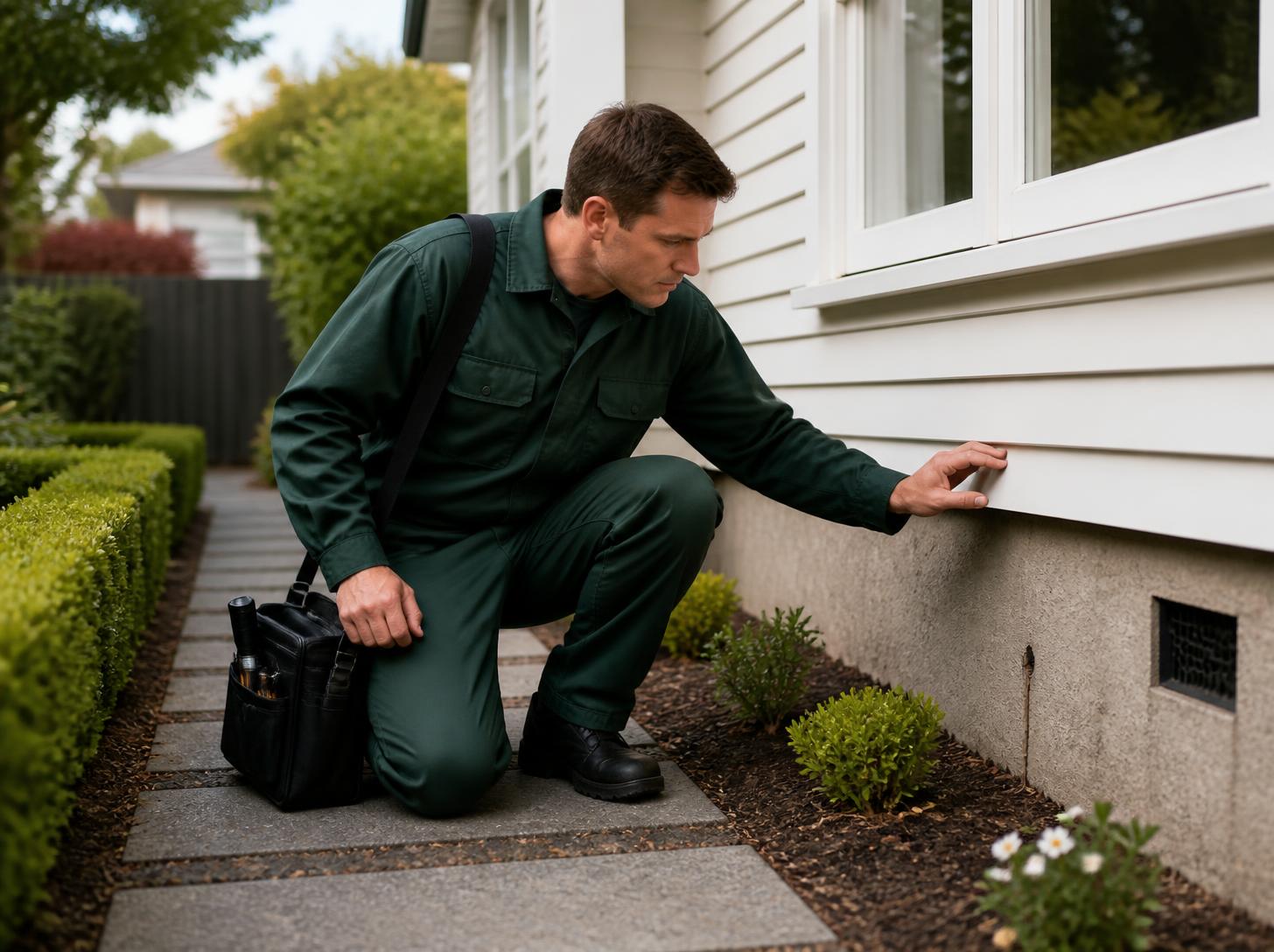
| External perimeter treatment | No | None — stay off treated ground until dry |
| Rodent bait stations | No | None |
| Rodent trapping | No | None |
| Cockroach gel baiting | Usually no | None to 1 hour |
| Ant baiting | Usually no | None |
| Interior crack-and-crevice spray | Yes | 3–4 hours, until dry |
| Whole-of-floor flea treatment | Yes | 3–4 hours, until dry |
| Wasp nest treatment | Partially | Keep clear of the nest area for a few hours |
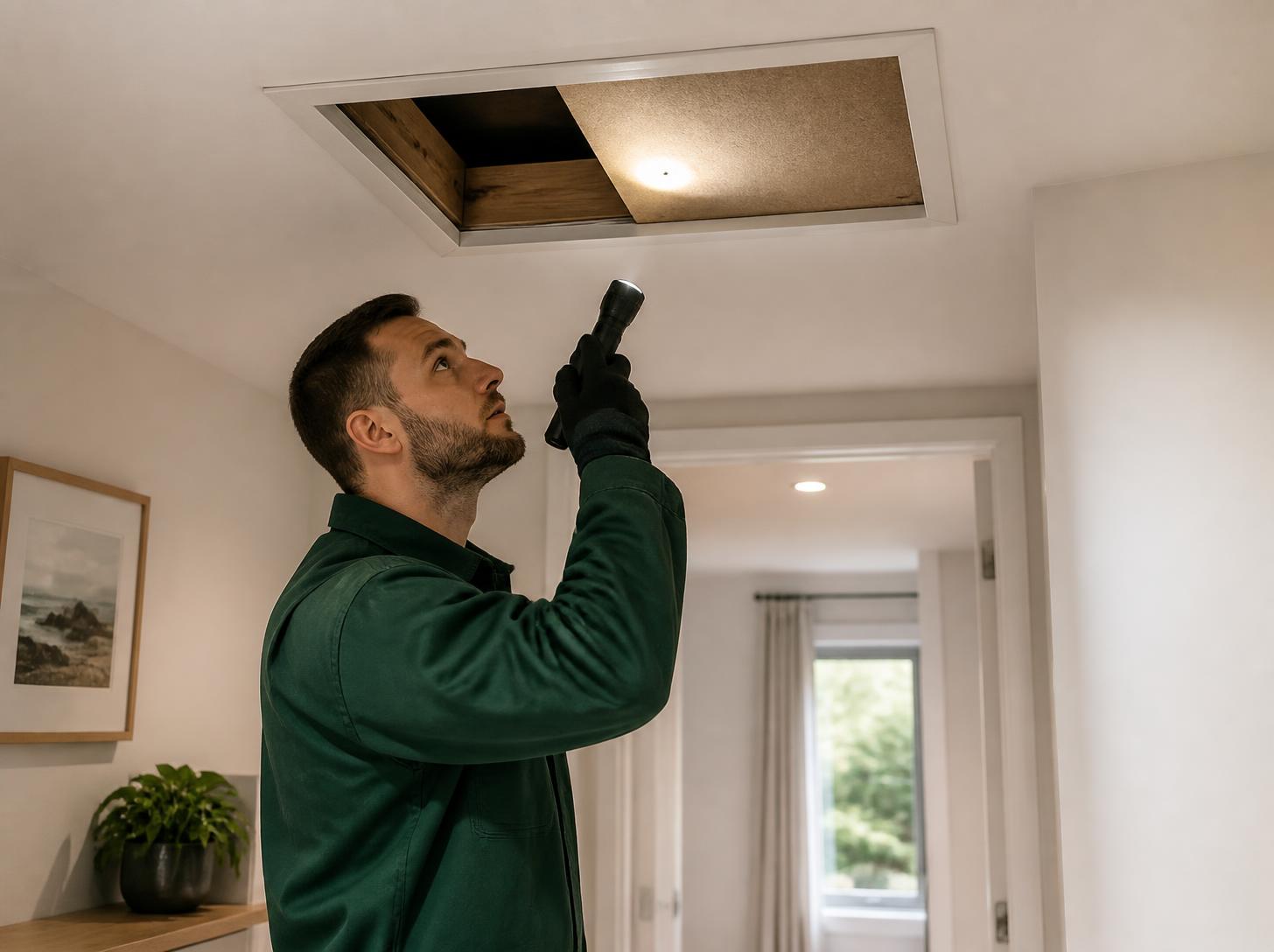
| Subfloor or roof void treatment | Usually no | None — separate from living space |
The pattern is simple: bait and trap methods need no exclusion; spray applications need surfaces to dry. Since most modern residential work is bait-led, most jobs need very little disruption.
Why "until dry" is the actual rule
Re-entry timing is not arbitrary. Residual insecticides are applied as a liquid that dries to a deposit on the surface. While wet, the product can transfer onto skin, paws and clothing. Once dry, it binds to the surface and behaves as intended — pests pick it up walking across it; people generally do not.
Drying time varies with ventilation, humidity and temperature, which is why we give you a figure on the day rather than a blanket number. A well-ventilated house on a dry Auckland summer afternoon dries much faster than a closed-up house in July.
What to do before we arrive
We give you a specific list when you book. Common requirements:
For cockroach treatment
- Clear the kickboard area under kitchen units if crack-and-crevice work is planned
- Clear benches of food, appliances and dishes
- Gel baiting itself usually needs almost no preparation, which surprises people
For flea treatment
- Vacuum thoroughly — all carpet, under furniture, along skirtings. This matters more than any other preparation step, because the vibration triggers dormant pupae to emerge so they hatch into the treatment rather than a fortnight later.
- Empty the vacuum outside immediately
- Wash all pet bedding on a hot cycle
- Clear floors of toys, clothing and clutter so the whole floor area can be treated
- Arrange your pet's veterinary flea treatment for the same period
Bed bug treatments have their own, longer list — laundering, bagging and decluttering the bedroom — which is covered in our guide to preparing for bed bug treatment.
For rodent work
- Provide access to the roof space and subfloor — clear the hatch area
- Move stored items away from walls in garages and storage rooms
- Secure pets away from where stations will be placed
For any interior treatment
- Cover fish tanks completely and switch off the air pump. A running pump draws airborne product straight into the water.
- Move bird cages out of the building if possible
- Put away pet bowls, toys and bedding
- Cover or remove exposed food
- Tell us about anyone pregnant, asthmatic or chemically sensitive in the household
What to do afterwards
- Wait out the re-entry period before children and pets return to treated areas
- Ventilate — open windows once you are back
- Do not mop or wipe treated edges for about two weeks. This is the one people get wrong most often. Cleaning skirtings and crack-and-crevice placements removes the residual and the treatment stops working. Normal cleaning of bench tops and floor centres is fine.
- Vacuum daily for 10 to 14 days after flea treatment, emptying outside each time
- Leave bait stations and traps in place — do not move or "tidy" them
- Expect some continued activity. Cockroaches for up to three weeks as protected eggs hatch; fleas for one to two weeks as pupae emerge. Numbers should fall steadily.
The most common way a treatment gets undone: cleaning the treated areas a few days later. It is a completely understandable instinct — you have just had pest control done, so you clean. But wiping the residual off the edges removes the deposit the treatment depends on. Leave the edges for two weeks.
What about fumigation?
Whole-house fumigation, where a building is sealed under a tent and filled with gas, is not how ordinary New Zealand homes are treated, and you will not need to move out for days. In New Zealand, fumigants such as methyl bromide are used mainly on import and export cargo, logs and timber; EPA New Zealand reports that export logs and timber account for most methyl bromide use. Structural fumigation of a building is rare and has been used here as a government biosecurity response rather than routine pest control. A normal home treatment uses baits, traps and targeted sprays, which is why the exclusion times above are measured in hours.
Special situations
Pregnancy, asthma or chemical sensitivity. Tell us when booking. We will favour bait and gel methods over spray, extend re-entry periods, increase ventilation and schedule so the person can be out longer. In many cases we can complete a job with no interior spray at all. There is more in our guide to pest control safety around pets and children.
Babies and crawling infants. We will avoid floor-level spray application in the areas they use, favour contained bait, and extend re-entry timing. Just tell us.
Rental properties. If you are not going to be there, we can arrange access with your property manager. Aftercare instructions are provided in writing so whoever is living there gets them.
Commercial premises. Most commercial work is scheduled before opening or after close specifically so there is no disruption and no exclusion issue during trading.
The short version
Most Auckland households need to provide access, be out for perhaps three or four hours if an interior spray is involved, and then simply avoid cleaning the treated edges for a fortnight. A significant number of jobs — bait-led rodent, ant and cockroach work — need no exclusion at all.
If your schedule is tight, say so when you book. We will tell you honestly what your specific treatment requires rather than quoting a blanket precaution.
Frequently asked questions
What is the hardest pest to get rid of?
German cockroaches and bed bugs. Both hide deep in cracks and have eggs that survive a first treatment, so they need a follow-up visit, and bed bugs in particular need thorough preparation beforehand. That preparation, rather than time out of the house, is usually the bigger commitment. Our guide to the hardest pests to get rid of in Auckland explains why they are so persistent.
How long do I need to stay out after pest control?
It depends entirely on the treatment. External-only work needs no exclusion at all. Interior spray treatments typically need 3 to 4 hours until surfaces are fully dry. Gel baiting for cockroaches and bait stations for rodents often need no exclusion whatsoever. We give you exact timings on the day.
Do I need to take time off work?
Usually not. Many treatments need someone only to provide access, not to stay. If exclusion is required, the window is normally a few hours during the day — so returning at the usual time is generally fine. Tell us your constraints when booking and we will schedule around them.
Should I clean after a treatment?
Not the treated areas, and this matters. Mopping or wiping skirtings, edges and crack-and-crevice placements removes the residual deposit and the treatment stops working. Normal cleaning of benches and floor centres is fine; leave the edges alone for about two weeks.
What should I move before the technician arrives?
It varies by treatment and we tell you in advance. Common items: clear kitchen benches, empty the kickboard area for cockroach work, vacuum thoroughly and wash pet bedding for flea work, and cover fish tanks with the pump switched off for any interior spray.
Can I be home during the treatment?
For most jobs, yes — including all external work and gel baiting. For interior spray treatments you would normally be out of the treated rooms while work is done and until surfaces dry. If anyone in the household is pregnant, asthmatic or chemically sensitive, tell us and we will extend timings and favour non-spray methods.