A supermarket aisle full of rat traps and bait boxes makes it look simple. Sometimes it is. A couple of well-placed snap traps can clear a mouse from a kitchen in a week. But a lot of DIY rodent control fails for the same few reasons: the wrong tool, the wrong spot, and an entry point nobody sealed.
This guide covers what actually works in New Zealand homes: traps versus bait, which trap types are worth buying, where to put them, how to use bait safely around children, pets and native birds, and the point where it makes sense to hand it over to professional rat and mouse control. We do not sell traps or bait, so there are no product recommendations here, only what works.
What is the most effective rat trap?
A well-placed snap trap. A good-quality snap trap kills instantly, costs little, leaves no poison in the food chain and lets you see exactly what you caught. Placement matters far more than brand: a basic wooden trap on an active runway will outperform an expensive trap in the middle of a room every time. Enclosed snap traps inside a tunnel or box are the best choice where there are children or pets.
| Method | Best for | Speed | Main drawback |
|---|---|---|---|
| Snap trap (open) | Roof voids, subfloors, behind appliances | Instant | Can injure curious pets or fingers if exposed |
| Snap trap in a tunnel or box | Homes with children or pets; outdoors | Instant | Bulkier; needs to sit on a runway |
| Electronic trap | Indoors where you want a clean catch | Instant | Cost and batteries |
| Live trap | Situations where killing is not an option | — | You still have a live rodent to deal with |
| Rodenticide bait in a station | Larger or hidden populations | Several days | Poisoning risk to pets and wildlife; rodents dying in cavities |
Traps or bait: which is right for your house?
Use traps inside living areas and bait only where traps cannot keep up. Traps give you a body you can remove, so there is no risk of a rat dying inside a wall and no poison for a dog to find. Bait reaches rodents you cannot see, which helps with a larger population in a roof void or subfloor, but it is slower, harder to control, and it moves poison into the food chain.
For a mouse or two in a kitchen, traps alone are usually enough. Mice are curious and investigate new objects, so they are quick to trap. Rats are the opposite: they are wary of anything new on their runs, which is why a trap can sit untouched for days. That wariness is not a reason to switch to bait. It is a reason to set traps properly, which the next sections cover.
The best rat traps in New Zealand, by type
There is no single best rat trap in New Zealand, but there is a best type for each job. For most houses that means sturdy snap traps, used enclosed where people or pets could touch them. Here is how the main types compare.
Snap traps
The classic wooden or plastic spring trap, in rat and mouse sizes. Plastic versions with a wide bait cup and a large trigger plate are easier to set and to clean. Buy rat-sized traps for rats; a mouse trap will injure a rat rather than kill it.
Tunnel and box traps
A snap trap inside a wooden tunnel or plastic box, with an entrance sized for rodents. The enclosure keeps children, pets and birds away from the mechanism and guides the rodent straight over the trigger. Predator Free NZ recommends this set-up for backyard rat trapping, with the tunnel placed near a wall, compost bin or other cover.
Electronic traps
Battery-powered boxes that kill with a high-voltage shock. They are clean and enclosed, and some signal when they have caught something. They cost considerably more than snap traps and need batteries, but they suit kitchens and pantries where you want nothing messy.
What about DOC traps?
The DOC 150, DOC 200 and similar traps are built for conservation predator control. Predator Free NZ describes them as traps for rats, stoats and hedgehogs, set inside wooden tunnels outdoors. They are excellent for a community trapping line or a bush-edge garden, but they are not designed for a roof void or a kitchen cupboard. Inside the house, ordinary snap traps are the right tool.
Where to put rat and mouse traps
On the routes rodents already use, against a wall, never in open space. Rats and mice travel along edges: skirtings, joists, pipe runs and the base of walls. Look for droppings and dark smear marks, and set the trap right on that line, at a right angle to the wall with the trigger end nearly touching it, so a rodent running either way crosses the trigger.
Which rat you have changes where to look. The ship rat, also called the black rat, is Auckland's most common rat and a climber, so it runs along the roof void and the tops of walls. The Norway rat, or brown rat, lives at ground level: subfloors, drains, the base of the compost bin.
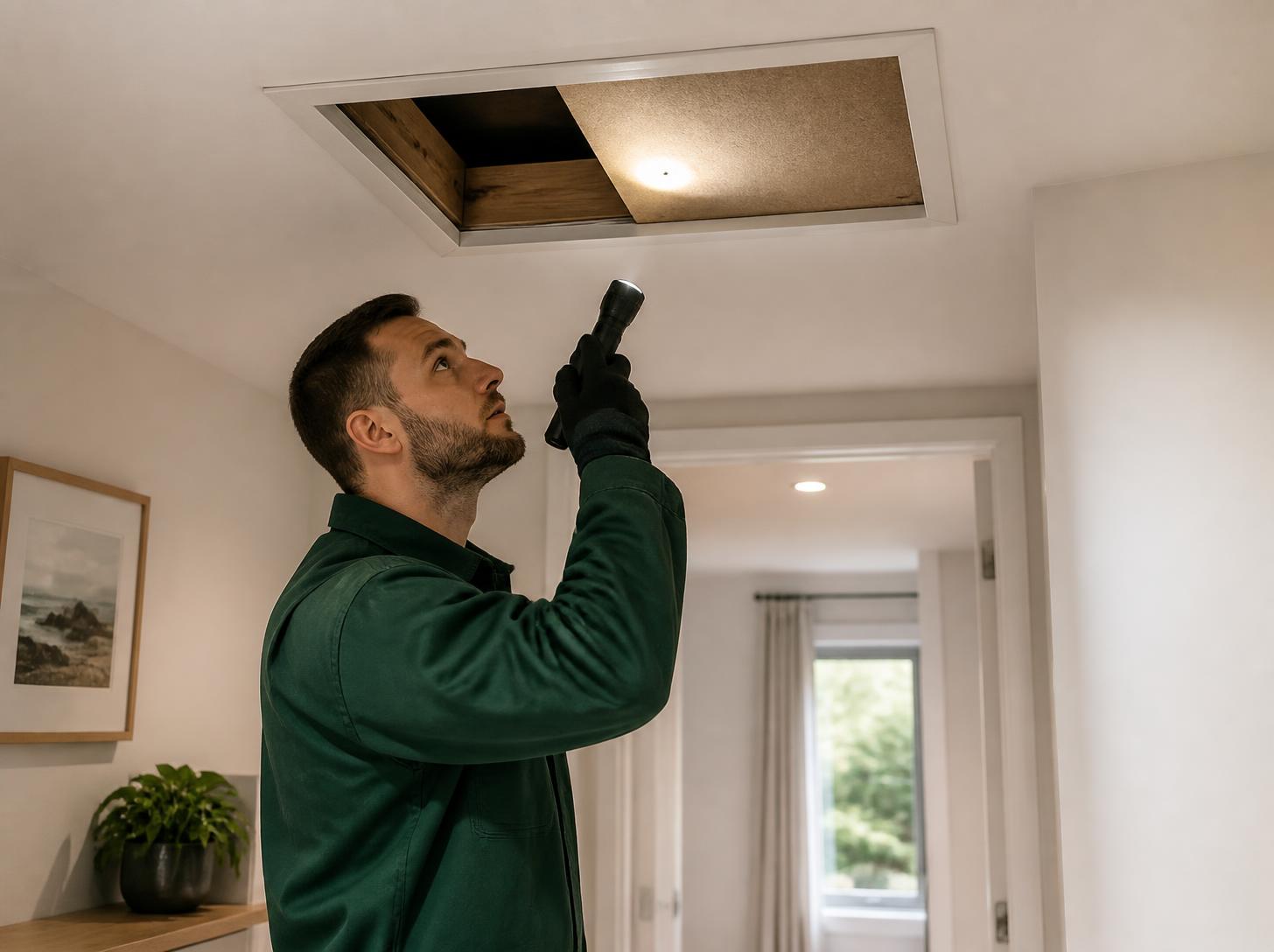
- Roof void: along the top plates and beside joists where you have found droppings, not on the insulation in the middle of the space
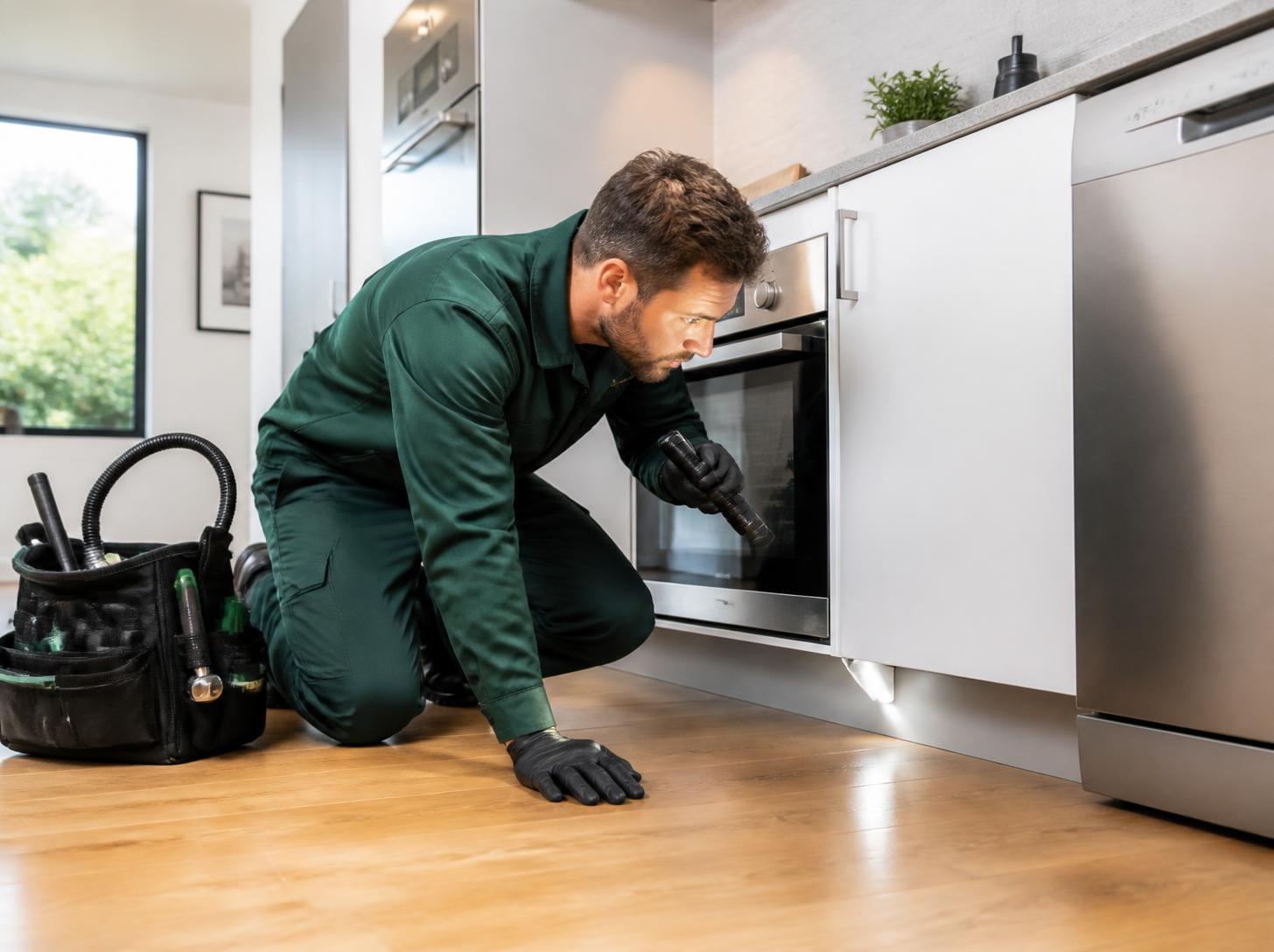
- Kitchen: behind the fridge, under the dishwasher kickboard, at the back of the pantry
- Subfloor and garage: along the foundation walls and beside stored items
- Outdoors: in a tunnel against the house, beside the compost or along the fence line
For rats, leave the traps baited but unset for a few nights. University of California IPM advisers recommend waiting until the bait has been taken several times before setting them, because rats avoid new objects. Use several traps rather than one. UC IPM suggests using as many as is practical so trapping is over quickly, and a heavily infested house can need a dozen or more.
What is the best bait for rats and mice in NZ?
It depends whether you mean bait for a trap or poison bait. For traps, peanut butter is hard to beat: Predator Free NZ recommends it for backyard rat traps, and it is sticky enough that a rodent has to work at it. Refresh it often. For poison bait, most rodent baits on New Zealand shelves are anticoagulant rodenticides in block, pellet or paste form. Kiwicare's one-feed blocks, for example, contain brodifacoum. Check the active ingredient on the label before you buy.
Anticoagulants come in two generations. First-generation products, such as those based on warfarin or diphacinone, usually need several feeds to kill. Second-generation products, such as brodifacoum and bromadiolone, can deliver a lethal dose in a single day's feeding. That makes them more effective, but the US National Pesticide Information Center notes they also carry more risk for animals that eat a poisoned rodent. Blocks suit damp places like subfloors; pellets and paste suit dry roof voids. Whatever you use, read the label and follow it exactly.
What bait kills mice fastest, and where do they go after eating it?
No rodent bait is instant. Even single-feed products take days: signs of poisoning can take up to five days to appear after a lethal dose. That delay is deliberate. It stops the rest of the colony connecting the bait with sickness, so they keep eating it.
After eating bait, mice and rats usually go back to where they normally shelter. You will often hear that poisoned rodents go outside looking for water. It is a myth: they become lethargic and usually die in or near their nest, which, as UC IPM advisers point out, is often inside the building. That is the main downside of baiting inside a house. A mouse dying in a wall cavity can smell for a week or more, and there may be no way to reach it. It is also why we use traps rather than bait in some rooms.
Keeping bait safe around children, pets and native birds
Always use bait inside a bait station with a floor, placed where children and pets cannot reach it, and keep it away from food, water and pet food. That is EPA New Zealand's core advice. It also recommends wearing gloves, checking for dead rodents every day, and storing unused poison in its original packaging, high up in a locked cupboard. Never put bait in a food or drink container.
The less obvious risk is secondary poisoning. A rodent that has eaten an anticoagulant carries it in its body for days, and a dog, cat or bird that eats it can be poisoned too. A Department of Conservation science report found brodifacoum carries the highest overall risk of secondary poisoning among the rodenticides it compared, especially for predatory mammals, and a high risk for scavenging birds. It notes particular concern for native birds such as weka, ruru (morepork) and the New Zealand falcon. So pick up carcasses promptly, and think twice about second-generation bait where dogs roam or native birds feed. Our guide to pest control safety around pets and children covers this in more depth.
If someone may have swallowed rat bait, call the National Poisons Centre on 0800 764 766, free and 24/7, or 111 in an emergency. If a pet may have eaten bait or a poisoned rodent, call your vet immediately. Keep the packaging so you can tell them the active ingredient.
What gets rid of rats permanently?
Sealing the entry points. Traps and bait remove the rodents that are inside now; neither stops the next ones walking in through the same gap. A rat needs a gap of only about 12 mm and a mouse about 6 mm. The usual routes in Auckland houses are the roof-to-wall junction, corroded subfloor vents, unsealed pipe penetrations and branches touching the roofline.
This is where DIY most often falls down. People catch three rats, hear nothing for a month, and are back where they started in autumn. The fix is to trap or bait until activity stops, then close the building up with steel wool, metal mesh or mortar, not expanding foam, which rats chew through. Our guide to sealing entry points before winter has the full checklist.
Why do I have mice all of a sudden?
Usually because the season changed. Mice and rats move indoors as outdoor food runs out and nights cool, and in Auckland that shift starts around March and peaks through April and May. Other triggers are building work or land clearing nearby, a new food source such as pet food, bird seed or a compost bin, and cardboard boxes brought into the garage. A sudden arrival also means there is a way in that was not being used before. Our guide to the signs of a rodent problem helps you work out how big it is.
When DIY isn't enough
Call in help if you are still catching rodents or losing bait after two to three weeks, if you can hear activity in several parts of the roof, if you cannot find where they are getting in, or if you have young children, dogs or backing bush that make baiting awkward. A standard residential rodent treatment in Auckland costs $180 to $350 including GST, including an inspection, a written list of entry points to seal and a follow-up visit.
Frequently asked questions
How long does rat bait take to work?
Several days. Anticoagulant rodenticides, which include most rat and mouse baits sold in New Zealand, stop blood clotting, and the US National Pesticide Information Center notes that signs of poisoning can be delayed by up to five days after a lethal dose. Expect bait to be eaten for a few nights before activity falls, and a week or two before it stops. If bait is still disappearing after that, more rodents are arriving.
Do ultrasonic rat repellers work?
Not in any useful way. University of California IPM advisers found little evidence that ultrasonic, magnetic or vibration devices drive rats or mice out of a building or keep them out, and rats get used to repeated sounds. The same goes for peppermint oil and similar smells. Money spent on a plug-in repeller is better spent on steel wool, mesh and a few snap traps.
Can I use rat bait if I have a dog or cat?
Yes, with care, but traps are often the better choice. Use bait only inside a bait station with a floor, placed where the animal cannot reach it, and never loose. The bigger risk is a dog or cat eating a poisoned rat. If you think a pet has eaten bait or a poisoned rodent, call your vet straight away; the National Poisons Centre on 0800 764 766 can advise about people.
Are live traps a good idea?
Only if you have a plan for the animal. Live traps catch rats and mice without killing them, but EPA New Zealand points out that you then have to decide what to do with a live rodent. Releasing it nearby just returns the problem, and rats are a pest species that conservation groups trap for good reason. For most households a quick-kill snap trap is the more humane and practical option.
How often should I check rat traps?
Every day for traps inside the house, and every couple of days for traps outdoors when you first set them. Predator Free NZ suggests checking backyard traps every couple of days at first, then easing off once catches slow. A dead rodent left in a trap smells within days in a warm roof space, and a sprung trap catches nothing. Wear gloves when you handle traps and carcasses.
- EPA New Zealand — Poison for pests and rodents
- Predator Free NZ — Backyard trapping
- Predator Free NZ — DOC 150, 200 and 250 traps
- Department of Conservation — rats in New Zealand
- Department of Conservation — secondary poisoning risk of rodenticides (science report)
- National Pesticide Information Center — Rodenticides
- UC IPM — Rats (pest note)
- UC IPM — House mouse (pest note)
- National Poisons Centre